Fixed Path vs Maze Tower Defense: Key Differences
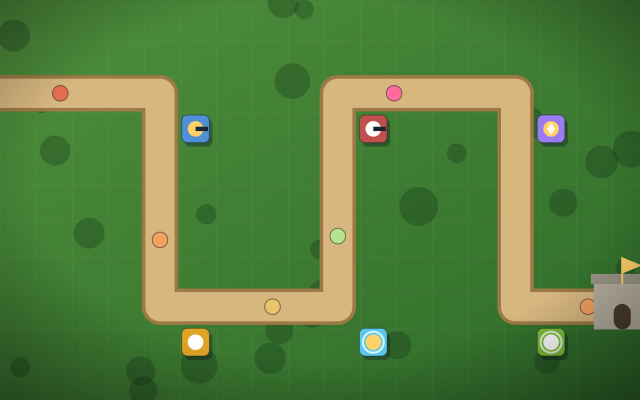
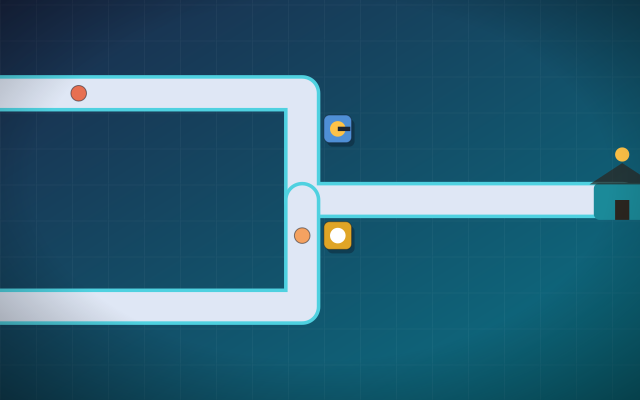
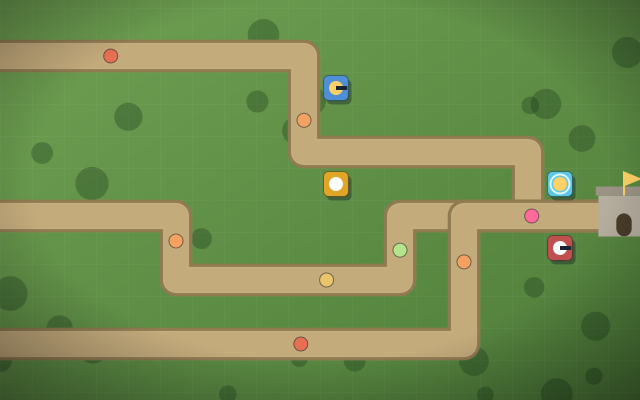
Tower defense games split into two big families. In fixed-path games, the route is drawn into the map and enemies always follow it; you build beside it. In maze games, the map is open and your towers become the walls; enemies find their own way, and the shape of the route is part of your strategy. Both use the same towers, waves and economy, but they reward different thinking.
This guide explains how each works on Tower Defense Hub, how your strategy should change, and which games to try for each.
Side-by-side comparison
| Fixed path | Maze (open map) | |
|---|---|---|
| Route | Set by the map | Shortest open route, recalculated after each placement |
| Main skill | Choosing spots and tower types | Shaping a long route and covering it |
| Best spots | Inside bends, merge points | Tiles you create next to long stretches of your maze |
| Selling | Mostly for changing tower type | Also for reshaping the maze (reopens the tile) |
| Examples | Kingdom Defender, Quick Defense, Endless Defense | Maze Defense, some Daily Challenge days |
How fixed-path games work
On a fixed-path map, you know exactly where every enemy will walk before the first wave starts. That makes the game about reading the map: finding the bends where one tower covers two stretches, identifying merge points and choosing the right tower for each spot. Several of our games use this style in different flavors:
- One path. Kingdom Defender has one fixed winding path; Quick Defense has a short one; Endless Defense has one long path; Robot Defense, Elemental Defense and Hero Defense each use a fixed path too.
- Lanes. Medieval Castle Defense has 3 lanes and Space Defense has 2 fixed space lanes, so you must split your defense.
- Forks and merges. Zombie Defense has one path with a fork; Crystal Defense has two paths converging on the centre; Jungle Defense has two routes merging; Desert Defense has 3 converging paths.
The strategic focus is efficiency per spot. Because the route never changes, a tower in a great position stays great for the whole game, which makes it a safe target for upgrades. Browse the one-path tower defense games for more of this style.
How maze games work
On an open map, enemies always take the shortest open route, found with a grid breadth-first search. Every time you place a tower the route is recalculated. Three rules keep the system fair:
- You cannot fully block the route. A placement that would close off every route is rejected.
- You cannot build on an occupied tile. A tile an enemy is standing on or entering is not buildable.
- Selling reopens the tile. Removing a tower gives the space back to the pathfinding.
In Maze Defense the open stone field has 2 entrances and 1 exit, and you defend it across 20 waves with five towers: Wall (cheap, no attack), Bolt, Scatter (splash), Frost and Longshot (sniper). The Wall is what makes the style work. Since it cannot attack, its only job is to make the shortest route longer, which multiplies the time enemies spend passing your attack towers.
Strategy changes in maze games
Length is damage
In a fixed-path game, better spots add damage. In a maze game, a longer route adds damage to every tower at once. If a few cheap Walls turn a short dash into a long zigzag past your Bolts, every Bolt gets more shots per enemy.
Plan for both entrances
With 2 entrances, a maze that lengthens one route while leaving the other short simply sends enemies the short way. Since enemies always take the shortest open route, you need to lengthen both approaches, or bring them together so they share one long channel.
Attackers go where the maze folds
Just like bends on a fixed path, the places where your maze doubles back on itself are where attack towers see the most path tiles. Scatter towers work well where the route turns tightly, since enemies bunch there; a Frost tower at the start of a long stretch keeps enemies in the zigzag longer.
Build between waves
Because you cannot build on a tile an enemy is on or entering, and because every placement redirects enemies already on the field, large maze changes are easiest during the build phase. Mid-wave, stick to small additions.
Strategy changes in fixed-path games
- Scout the whole route first. The map already tells you where the best spots are; nothing you build will change that.
- Balance lanes. In multi-lane games, weak coverage in one lane is a guaranteed leak. In Medieval Castle Defense, the lane Siege Rams use needs extra punch because they deal heavy base damage.
- Invest in the merge. Where routes converge, every enemy passes the same towers, so this is the best place for upgrades and support towers.
The Daily Challenge: sometimes both
The Daily Tower Defense Challenge is date-seeded, with a map, tower list, starting gold, lives, wave count and one rule that change each day. One of the possible rules is maze mode, so some days you will be shaping routes and others you will be defending a fixed layout. It is a great way to practice switching between the two mindsets. Everyone playing on the same date gets the same challenge.
Which style should you play?
If you are new, start with a fixed-path game: the route is clear, and you can focus on learning tower roles. Quick Defense and Kingdom Defender are both rated easy. When placement starts to feel automatic, move to Maze Defense for a puzzle-like challenge where the map is yours to design. The maze tower defense category collects the games that use open maps, and our guide to pathfinding in Maze Defense explains the route-finding rules in more depth.