Understanding Enemy Waves in Tower Defense
A wave is more than a group of enemies. Each one is a test: a question about whether your defense can handle speed, toughness, armor, numbers or a combination. If you learn to recognize what each wave is asking, you can prepare the answer before it arrives instead of scrambling after the first leak.
This guide covers the enemy archetypes used across Tower Defense Hub, how waves escalate, and the special wave types that some games add.
How waves work
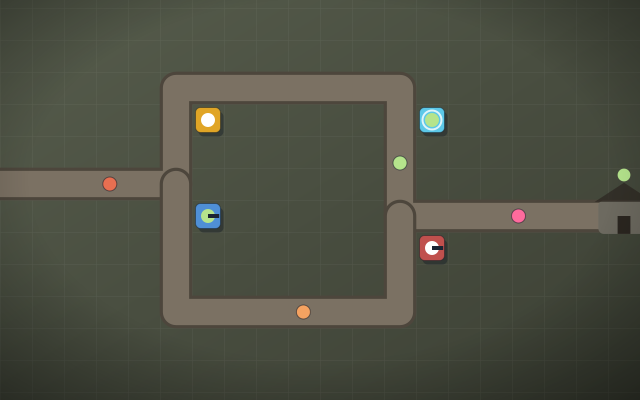
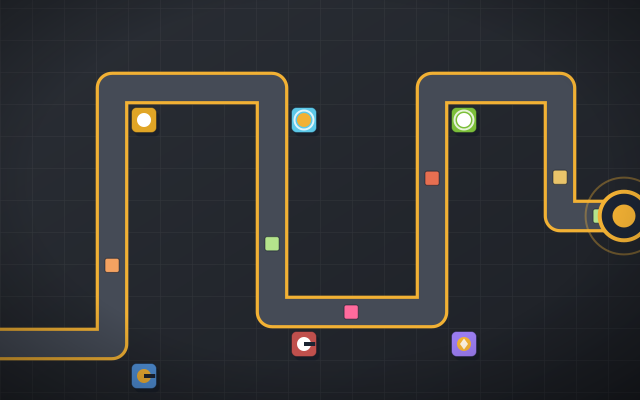
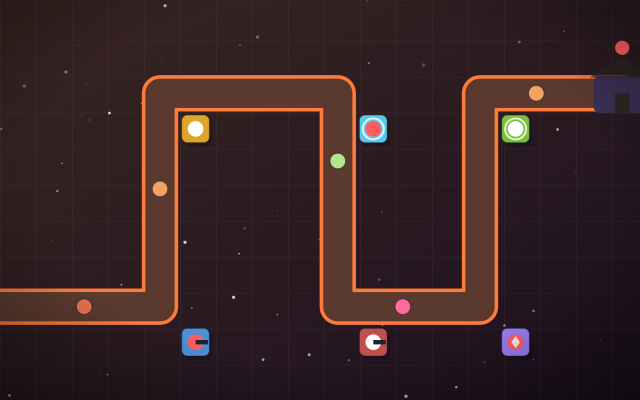
In every game on the site, a wave only begins when you press Start Wave or N (Quick Defense and Endless Defense also have auto-start). Enemies enter from their spawn point, follow the route and are removed when defeated. Any enemy that reaches the exit removes lives equal to its strength, and bosses remove many. Clear the wave and you receive a wave-clear bonus on top of the kill rewards.
Most games have a set number of waves: 10 in Quick Defense, 15 in Kingdom Defender, 20 in Maze Defense and Crystal Defense, and so on. Endless Defense has no final wave; enemy health scales every wave and a boss appears every 10 waves.
The enemy archetypes
Almost every enemy on the site belongs to one of a few archetypes. Recognize the archetype and you know the answer.
| Archetype | What it tests | Examples | Answer |
|---|---|---|---|
| Basic | Raw damage output | Footman, Walker, Goblin, Soldier | General damage |
| Fast | Coverage and reaction | Scout, Runner, Dire Wolf, Raider, Fast Bot | Slows, First or Fastest targeting |
| Tank | Sustained damage | Brute, Bloater, Siege Ram, Heavy Bot | Concentrated fire, Strongest targeting |
| Armored | Damage per hit | Ironclad, Knight, Riot Zombie, Stone Troll, Heavy Ship | Big hits, armor-piercing, burn or poison |
| Shielded | Shield breaking | Elite Ship, Shield Bot, Ward Spirit | Lightning or Tesla (double vs shields) |
| Swarm | Area coverage | Crawler, Swarm Critter | Splash, chain |
Special behaviors
- Splitters. In Zombie Defense the Bloater splits into Crawlers when it dies, so killing it spawns a swarm. Have splash damage just after the point where Bloaters usually fall.
- Healers. Healers periodically restore health to nearby enemies. Focusing them first keeps the rest of the wave from recovering.
- Elemental resistances. In Elemental Defense, Magma Crawlers resist fire, Stone Golems resist lightning and Gale Sprites are weak to ice.
How difficulty escalates
Waves grow harder in a few ways, often at once:
- More enemies. Larger groups reward splash and punish single-target defenses.
- Tougher enemies. Health grows, and in Endless Defense it scales every single wave.
- New archetypes. Armored, shielded or fast enemies appear, and suddenly a defense that was fine is not.
- Mixed waves. A fast enemy hiding among tanks, or armored units escorting a healer, forces your towers to split their attention.
The third point is the one that catches most players. A defense built entirely around one tower type often collapses the first time an archetype it cannot handle arrives. Keeping at least one answer to armor and one answer to speed in your build is cheap insurance.
Boss waves
Bosses share a set of rules across the site. They have a large health bar with phases at 66 % and 33 % health, telegraph dangerous abilities with a warning marker before the effect, resist half of every slow and remove many lives if they reach the exit. Examples include the Warlord on wave 15 of Kingdom Defender, the Hollow Titan (wave 10) and Crystal Devourer (wave 20) in Crystal Defense, and the Abomination on wave 15 of Zombie Defense.
Boss Defense is built entirely around them: four stages, each with 5 build-up waves and then a unique boss. The Bulwark Golem has shield phases, the Swarm Mother summons, the Storm Wyrm makes telegraphed dashes and the Void Colossus uses a telegraphed EMP that disables towers. The build-up waves are your preparation time, so treat them as a chance to set up for that specific boss. Our guide to how boss waves work goes into each strategy.
Wave events and conditions
Some games change the rules for particular waves:
- Robot Defense has EMP Storm, which knocks random towers offline briefly, and Overclock, which makes enemies faster. Redundant coverage handles EMP Storm; a solid slow handles Overclock.
- Desert Defense has sandstorm waves that cut range by 30 % for non-radar towers and make enemies slightly faster, and a day/night cycle where towers lose 15 % range at night unless a Radar covers them.
- The Daily Tower Defense Challenge applies one rule per day, such as fast enemies, limited lives or a boss finale.
Reading a wave as it arrives
You do not need to guess what a wave contains. Watch it:
- Start the wave at 1× speed whenever you expect something new.
- Watch the first enemies enter. Note their speed and whether they show armor or a blue shield bar.
- If something looks dangerous, pause with Space and decide on your response before resuming.
- Adjust targeting: switch towers to Fastest for runners or Strongest for tanks, then resume.
- Once a wave type is familiar, use 2× or 3× speed to move through it quickly.
Practice reading waves
Zombie Defense is a great teacher because its roster covers almost every archetype — Walkers, fast Runners, Bloaters that split, swarming Crawlers and armored Riot Zombies — with only 20 base health to spare. For specific counters, see how to handle fast enemies and how to defeat armored enemies.